Man With Van in West Ealing

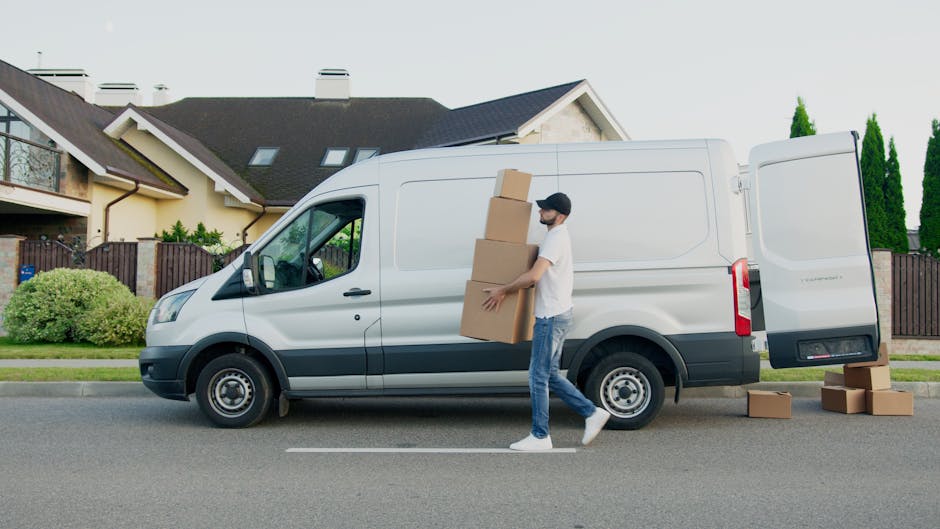
Our man with van service in West Ealing is set up for straightforward local moves and practical transport jobs that need careful handling rather than a large lorry. We move household items, boxes, single pieces of furniture and mixed loads with a sensible approach to access, loading and delivery. If you need a tidy, flexible way to shift items across town or further afield, we keep the service focused on what matters most: safe handling, clear communication and a vehicle suited to the job.
We work with customers who want a simple removal option for a flat, a house, a storage run or a business collection. The service can suit one-off jobs as well as planned moves where items need to be carried from rooms, lifts, side access or tighter streets. Careful loading matters as much as transport, so the work is organised to protect your belongings and keep the process manageable from start to finish.
If you are comparing options, ask for a quotation when you are ready and use the page links below to find the service that matches your move. A brief list of what needs moving is usually enough to start a practical conversation, and it helps to note any awkward items, stairs or parking limits. Plan the transport first, then the packing and timing if the move involves more than a few pieces.
House Moves and Flat Transport
House moves with a man and van service are often chosen when the load is too much for a car but does not justify a full-scale removal operation. That can include furniture, white goods, bags, boxes, suitcases and mixed household contents. Our approach is built around sensible loading order, safe carrying and making sure larger items are moved in a way that reduces the chance of scuffs or unnecessary strain. It is a practical option for people moving within West Ealing or between nearby areas.
For smaller homes and flats, the service can be used for part-load moves where only the most important items travel at once. That is helpful when you are combining storage, temporary accommodation or a phased move. Some customers also use the same service for student moves, furnished lets or clearing a few rooms ahead of new tenants. A well-planned van move keeps the job proportionate to the amount being transported, which is often the most cost-conscious route.
Transport for Furniture, Appliances and Single Items

Heavy or awkward pieces need more than a vehicle with space in the back. We handle sofas, tables, wardrobes, chests of drawers, beds, desks and similar items with attention to lifting angles and route planning. If an item needs to be dismantled before it can travel, that should be mentioned early so the right preparation can be arranged. The aim is to keep the move neat, steady and appropriate to the item rather than rushing a bulky object through a narrow gap.
Furniture pick-up can be a useful choice when you have a purchase, a replacement item or a second-hand piece that needs collecting and delivered to another address. We can also move individual appliances where access and handling are suitable, though it is always wise to check whether the item is disconnected and ready to travel. One well-planned trip often works better than several improvised ones, especially when the item is large or fragile.
For customers with only one or two items, a van-based move can be simpler than booking a larger removal package. The service still needs care, because the value of a single item can be high even when the quantity is low. Tell us what the item is, how it reaches the vehicle and where it is going, and we can shape the job around the practical details rather than assumptions.
Packing, Access and Load Planning
Packing affects how well a move runs, so the way items are boxed, wrapped and stacked matters. We are able to work with customers who have already packed, as well as those who want help with loading after the packing is finished. Boxes should be sturdy, clearly closed and not overloaded, while loose items need a sensible container so they do not shift during transit. The better the packing, the easier it is to make use of the vehicle space safely.
Packing and unpacking services are useful when the move contains fragile items, mixed room contents or a lot of small possessions that would otherwise take time to organise. It is also worth thinking about access at both ends of the move: stairs, narrow hallways, basement steps, shared entrances and parking all affect how the work is arranged. These details help determine the best loading order and whether the job needs extra time for careful carrying.
To keep things smooth, it helps to separate what is travelling, what is staying behind and what may need special handling. A quick inventory or room-by-room note can reduce confusion, especially when there are similar boxes or multiple stops. You do not need a complicated plan, but a simple outline of the main items, entry points and delivery address gives a clearer basis for the move. Good organisation saves avoidable lifting and double handling.
Office Moves and Business Collections
Commercial jobs often need the same care as home moves, but with extra attention to timing, workspaces and access around busy premises. We can transport desks, chairs, file units, small office equipment, archive boxes and similar contents for businesses that need a practical relocation solution. A man with van setup is often suitable for partial office moves, overflow items or deliveries between branches where the whole operation does not require a full removal lorry.
Office removals can be organised around business hours, access arrangements and the type of equipment being moved, which helps reduce disruption. If there are computer monitors, printers or data-sensitive items, they should be identified before the move so they are handled appropriately. A careful approach to desk furniture and boxed records can make the move less stressful and easier to resume work from once items are delivered.
Some companies need support with collections rather than full relocations. That might involve picking up stock, transferring furniture to storage or moving items from one site to another after a refit. A van service is particularly useful where the load is manageable but still benefits from loading help, protecting surfaces and choosing the right route for delivery. When the move is business-related, the key is usually precision and timing rather than bulk alone.
What Affects the Quotation

Quotation requests are usually clearer when they reflect the real shape of the job. The main factors are the type and volume of items, the distance between addresses, access at collection and delivery, and whether the move needs a single run or multiple journeys. Fragile goods, heavy furniture, dismantling and extra carrying time can also affect the arrangement. A quote should match the work involved, so the more accurate the description, the better the estimate can be.
Pricing and quotes can help customers think through the main cost drivers before they book, especially when comparing a straightforward collection with a fuller removal job. It is sensible to mention parking constraints, restricted lift access or a long walk from vehicle to door, because those details affect how the move is planned. The goal is not to overcomplicate the job, but to make sure the transport plan reflects the actual conditions on the day.
A useful quotation request does not need to be lengthy. A list of the largest pieces, approximate number of boxes, dates that work for you and any handling concerns is normally enough to begin. If there are items that must travel first or last, say so at the start so the load sequence can be thought through. The clearer the picture, the easier it is to keep the service efficient and the move properly organised.
About West Ealing
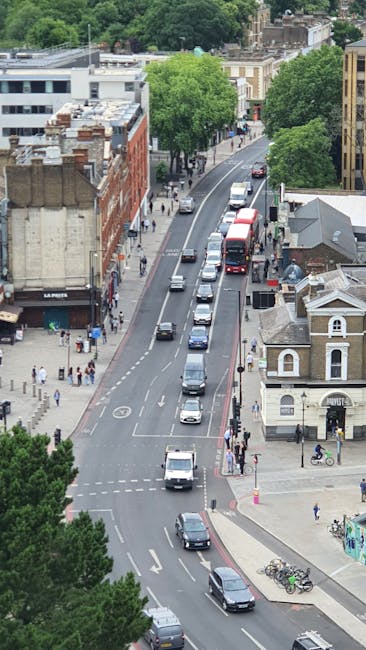
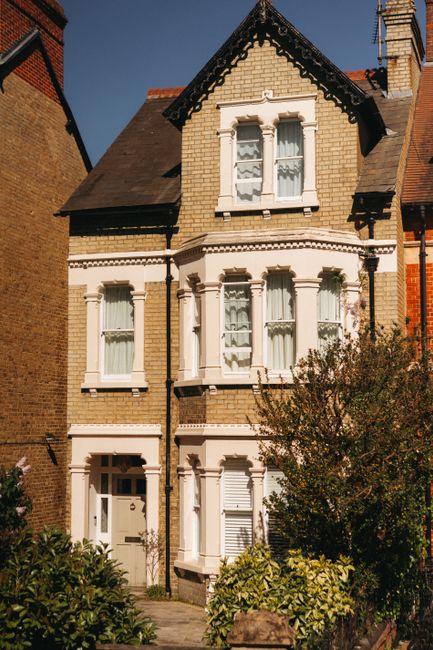
West Ealing is a district in the London Borough of Ealing, in west London, and it sits within the wider urban stretch that links Ealing Broadway, Hanwell and the parts of the borough nearer Acton. The area is closely associated with the Uxbridge Road corridor, which has long acted as a main east-west route through the district. West Ealing railway station provides direct National Rail links, and the area also has access to nearby Elizabeth line connections through the broader local network, making it part of a busy and well-connected corner of the capital. The district contains a mix of older terraces, interwar housing, modern apartment schemes and commercial frontages, so its streets show different layers of development rather than a single architectural style. Green spaces nearby include Walpole Park to the north-east and wider parkland across Ealing, while the Grand Union Canal runs further to the south-west through the borough and remains an important historic transport corridor in the wider landscape. Local landmarks include the Parish Church of St John, the shopping and residential streets around The Broadway, and the continuing redevelopment around parts of the town centre, which reflects changing retail and housing patterns in west London. West Ealing has also been shaped by the growth of Ealing as a suburban centre, with Victorian and Edwardian expansion creating many of the streetscapes still visible today. As a place, it combines everyday residential life with strong transport links, older high street character and the layered geography typical of a long-established London district.
House Removals for Larger Home Contents
House removals cover the more complete end of the moving process, where a home’s contents need to be taken from one address to another with order and care. That may include bedroom furniture, kitchen items, books, soft furnishings and awkward pieces that need space in the vehicle and sensible stacking. The difference between a house move and a smaller job is often not just volume, but the need to keep everything coordinated so that larger items do not interfere with the rest of the load.
When a home move includes different room types, it helps to think about the loading sequence. Heavy furniture should be balanced with boxed items, and delicate things should be separated from anything that could crush them. If the move includes a mixture of kept, stored and discarded belongings, separating them in advance saves time and avoids confusion. That approach is especially useful when the property is being cleared under time pressure or prepared for handover.
Some customers prefer a move that keeps furniture in place and moves only part of the contents first. Others want everything collected in one trip. The right approach depends on the size of the property, the route, and the time available for loading and delivery. A man with van service is flexible enough to deal with either style of move, provided the scope is described clearly at the beginning.
Service Options for Mixed Loads and Storage Runs

Mixed loads are common when a move includes furniture, boxes, personal possessions and items going to different destinations. A van-based service can handle this sort of combination well because the load can be arranged by weight, fragility and delivery order. That makes it suitable for storage runs too, where items are being taken to a unit rather than a final home. The service remains practical as long as the load is identified clearly and the access arrangements are workable.
Removal services are a useful broader option when your move sits somewhere between a simple pick-up and a fuller relocation. They can suit customers who need loading help, transport and delivery in one arrangement, even if the move is not large enough to justify a more complex operation. If there are multiple stops, it helps to list them in order so the route can be planned with fewer delays and less rehandling of the same items.
Storage moves often work best when the boxes and furniture are packed with future access in mind. Items likely to be needed soon should not be buried beneath heavier pieces, and anything sensitive to damp or pressure should be protected properly. It is also sensible to think about whether the storage unit has lift access, loading bays or fixed arrival times, because these practical points can affect how the journey is scheduled and unloaded.
Choosing the Right Van Move
The right service depends on what is being moved and how much handling it needs. A smaller van job may suit a few items, while a fuller removal style arrangement is better for a larger property or a more involved load. If you are unsure, it can help to start with the heaviest item and work outward from there. That gives a more realistic picture of the transport needs than estimating by eye alone. Man and van is often the simplest place to start when the move is manageable but still needs a professional hand.
Some customers know that the job is straightforward and simply want transport. Others need help deciding whether the move is best handled as a furniture collection, a house move or a broader removal. In those cases, it is useful to compare the route, access and number of items rather than focusing only on the postcode or the date. The service should fit the load, not the other way round, because that is what keeps it practical and proportionate.
For a clear next step, gather the main details, choose the page that best matches the work and request a quotation when you are ready. If the job involves delicate items, unusual access or several stops, mention those points early so the move can be planned properly. You can also request a quotation when you have the details together and want the transport arranged without unnecessary back-and-forth.